Dried Figs vs Dates vs Prunes: Best High-Fiber Snack?: Which High-Fiber Snack Deserves a Spot in Your Pantry?
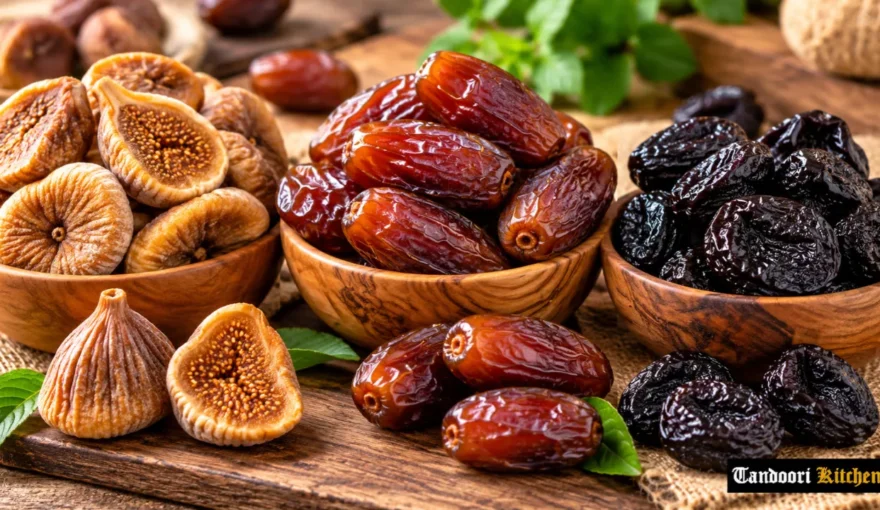
Walk down any dry fruit aisle and three jars almost always sit side by side. Dried figs, dates and prunes look humble, yet each one carries a reputation. Figs are called the fiber kings. Dates are praised as nature’s candy. Prunes, meanwhile, are famous for keeping digestion on track.
But which one actually earns a permanent place in your kitchen? The honest answer depends on what you want from a snack. So, in this guide, we compare dried figs vs dates vs prunes on fiber, sugar, calories, minerals and everyday use. By the end, you will know exactly which jar to reach for first.
Why Fiber Matters More Than You Think
Before comparing the three fruits, it helps to understand why fiber deserves attention. Most adults eat far less of it than they need. Health experts generally suggest around 25 grams a day for women and about 38 grams for men. In reality, many people barely reach half of that.
Fiber does several jobs at once. First, it adds bulk to stool and supports regular bowel movements. Second, soluble fiber slows down how fast sugar enters the blood. As a result, you feel full for longer and avoid sharp energy crashes. Finally, fiber feeds the friendly bacteria living in your gut.
Dried fruits are an easy way to close the fiber gap. Because the water is removed, their nutrients become concentrated. However, the natural sugar becomes concentrated too. That is why portion size matters so much with these snacks.

Nutrition Facts (Per Serving)
To keep the comparison fair, every value below is based on a 40-gram serving. That works out to roughly 4 to 5 dried figs, about 2 small Medjool dates or around 4 to 5 prunes. Values are approximate and can vary by variety, size and drying method.
| Nutrient (per 40 g) | Dried Figs | Medjool Dates | Prunes |
|---|---|---|---|
| Calories | ~100 kcal | ~111 kcal | ~96 kcal |
| Total Carbohydrates | 25.6 g | 30 g | 25.6 g |
| Dietary Fiber | 3.9 g | 2.7 g | 2.8 g |
| Total Sugars | 19.2 g | 26.6 g | 15.2 g |
| Protein | 1.3 g | 0.7 g | 0.9 g |
| Total Fat | 0.4 g | 0.1 g | 0.2 g |
| Potassium | 272 mg | 278 mg | 293 mg |
| Calcium | 65 mg | 26 mg | 17 mg |
| Magnesium | 27 mg | 22 mg | 16 mg |
| Iron | 0.8 mg | 0.4 mg | 0.4 mg |
| Vitamin K | 6 mcg | 1 mcg | 24 mcg |
| Sorbitol (natural sugar alcohol) | Small amount | Trace | ~5 g |
| Glycemic Index (approx.) | Medium (around 60) | Low to medium (around 40 to 55) | Low (around 29) |
At first glance, the numbers tell a clear story. Dried figs lead on fiber, calcium and magnesium. Dates carry the most sugar and calories. Prunes, on the other hand, have the least sugar and a surprising amount of vitamin K.

Dried Figs: The Fiber and Mineral Champion
Dried figs win the fiber race without much competition. A 40-gram serving delivers close to 4 grams of fiber. That is around 14 percent of a typical daily target from one small handful.
In addition, figs offer something the other two lack. They are one of the best plant sources of calcium among dried fruits. For people who avoid dairy, this makes figs a useful addition. Their magnesium content also supports muscle function and steady energy.
The texture is another bonus. Tiny seeds give figs a pleasant crunch, while the flesh stays soft and chewy. Consequently, they feel more filling than their size suggests.
Best for: daily fiber intake, bone-friendly minerals and plant-based diets.
Watch out for: the medium glycemic index. If you manage blood sugar, pair figs with nuts or yogurt to slow absorption.
Dates: The Natural Energy Booster
Dates are the sweetest of the three by a wide margin. A single Medjool date tastes almost like caramel. Not surprisingly, they are popular in energy balls, smoothies and sugar-free desserts.
That sweetness comes with a trade-off, though. Dates contain the highest sugar and calorie count per serving. Their fiber level is also slightly lower than figs. Even so, they still provide a decent dose of potassium, which helps balance fluids and supports heart health.
Athletes often reach for dates before or after a workout. Their quick-release carbohydrates refuel the body fast. Meanwhile, the fiber prevents the energy from disappearing too quickly.

Best for: pre-workout fuel, natural sweetening and replacing processed sweets.
Watch out for: portion creep. Two dates make a sensible snack, but six can turn into a sugar-heavy treat.
Prunes: The Digestive Health Specialist
Prunes have long carried an old-fashioned image. Yet modern nutrition science has given them a well-deserved comeback. Their fiber count looks modest on paper. Still, they work better for digestion than the numbers alone suggest.
The secret lies in sorbitol. This natural sugar alcohol draws water into the bowel and gently softens stool. Together with fiber, it makes prunes one of the most effective foods for occasional constipation.
Prunes also stand out for their vitamin K content. This nutrient plays a role in blood clotting and bone health. On top of that, prunes have the lowest sugar and the lowest glycemic index in this comparison. Therefore, they suit people who want sweetness without a sharp spike in blood sugar.
Best for: regularity, gut comfort and blood-sugar-conscious snacking.
Watch out for: eating too many at once. Because of the sorbitol, a large portion may cause bloating or gas. People on blood-thinning medicines should also keep their vitamin K intake consistent and speak to their doctor.
Head-to-Head: Which One Wins?
Each fruit wins a different category. So rather than naming a single champion, here is a quick verdict by goal.
- Highest fiber: Dried figs
- Best for constipation relief: Prunes
- Lowest sugar: Prunes
- Best for quick energy: Dates
- Most calcium and magnesium: Dried figs
- Best natural sweetener: Dates
- Most blood-sugar friendly: Prunes
If you want only one jar, dried figs offer the best all-round balance. They pack the most fiber along with valuable minerals. That said, prunes are the smarter choice if digestion or sugar control is your main concern.
How to Add Them to Your Daily Routine
The good news is that you don’t have to choose just one. In fact, rotating all three gives you a wider range of nutrients. Here are some simple ideas to get started.
- Breakfast boost: Chop two figs into oatmeal or overnight oats.
- Smoothie sweetener: Blend one pitted date instead of honey or sugar.
- Mid-afternoon snack: Pair three prunes with a handful of almonds.
- Salad upgrade: Slice figs over greens with walnuts and a light vinaigrette.
- Healthy dessert: Stuff dates with peanut butter and a pinch of sea salt.
- Savory twist: Add chopped prunes to stews, tagines or slow-cooked dishes.
Also, remember to drink enough water whenever you increase fiber. Without fluid, extra fiber can actually leave you feeling more blocked, not less. Start with small portions and build up gradually over a week or two.
Tips for Buying and Storing Dried Fruit
Quality makes a real difference with dried fruit. Look for packs with no added sugar, syrup or sulfites on the label. The fruit should feel soft and slightly tacky rather than rock hard.
For storage, use an airtight container and keep it in a cool, dark cupboard. In warm or humid weather, the fridge works even better. Properly stored, figs, dates and prunes stay fresh for several months.
So, which high-fiber snack deserves a spot in your pantry? Dried figs take the crown for fiber and minerals. Prunes earn top marks for digestion and low sugar. Dates, meanwhile, remain the best natural sweet treat and energy booster.
Ultimately, the smartest pantry holds all three. Keep figs for everyday fiber, prunes for gut support and dates for those moments when only something sweet will do. Above all, enjoy them in sensible portions, and your body will thank you.