French Cuisine Master: A Practical Guide to Techniques, Classic Dishes and Great Dining
Ask any chef what separates a good cook from a French cuisine master, and the answer is rarely a secret ingredient. It is discipline:heat control, patience, seasoning at the right moment, and respect for simple things done properly. French food looks intimidating from the outside, but it is built on a small set of repeatable techniques. Once you understand them, a rustic stew, a delicate sauce and a buttery pastry all start to make sense.
In 2010, UNESCO added the “gastronomic meal of the French” to its list of intangible cultural heritage. The recognition covers more than recipes. It celebrates the ritual of sharing a meal, pairing food with drink and taking time at the table. That is a useful mindset whether you are cooking at home or choosing a restaurant.
The Core Techniques Every French Cuisine Master Learns First
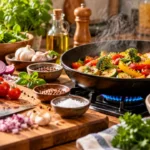
Professional French kitchens teach technique before recipes, and the first lesson is mise en place, which means preparing and organising every ingredient before heat is applied. It sounds basic, but it is the habit that most reduces stress and mistakes, even in a home kitchen.

From there, a handful of skills do most of the work:
- Sautéing: cooking food quickly in a hot pan with a little fat, without overcrowding it.
- Braising: browning meat first, then cooking it slowly in liquid until tender.
- Deglazing: adding wine or stock to a hot pan to lift the browned bits into a sauce.
- Reducing: simmering a liquid to concentrate flavour and thicken it.
- Emulsifying: binding fat and liquid, as in vinaigrette, hollandaise or beurre blanc.
A common beginner mistake is rushing the browning stage. Patient, even colour on meat or vegetables builds flavour that no amount of seasoning added later can replace.
Understanding the French Mother Sauces
Sauces are the backbone of classical French cooking. The system of five “mother sauces” is usually credited to the chef Auguste Escoffier, building on earlier work by Marie-Antoine Carême. Each one acts as a base from which many other sauces are made.
| Mother Sauce | Main Base | Classic Uses |
|---|---|---|
| Béchamel | Milk thickened with a butter-and-flour roux | Gratins, croque monsieur, creamy bakes |
| Velouté | Light stock (chicken, veal or fish) with roux | Poultry and fish dishes, cream soups |
| Espagnole | Brown stock with roux, tomato and aromatics | Basis for demi-glace and rich meat sauces |
| Hollandaise | Egg yolks, warm butter and lemon | Eggs Benedict, asparagus, poached fish |
| Tomate | Tomatoes, aromatics and stock or pork | Braises, pasta, egg and vegetable dishes |
If you want to practise, start with béchamel. It teaches you how to cook a roux, avoid lumps and judge consistency, and those skills carry over to nearly every other sauce.


Classic French Dishes Worth Knowing, Cooking or Ordering
French cuisine is regional, and the best-known dishes reflect where they come from. Butter and cream dominate in Normandy, olive oil and herbs in Provence, and hearty slow-cooked meals in the south-west.
- Coq au vin: chicken braised in red wine with mushrooms, onions and lardons.
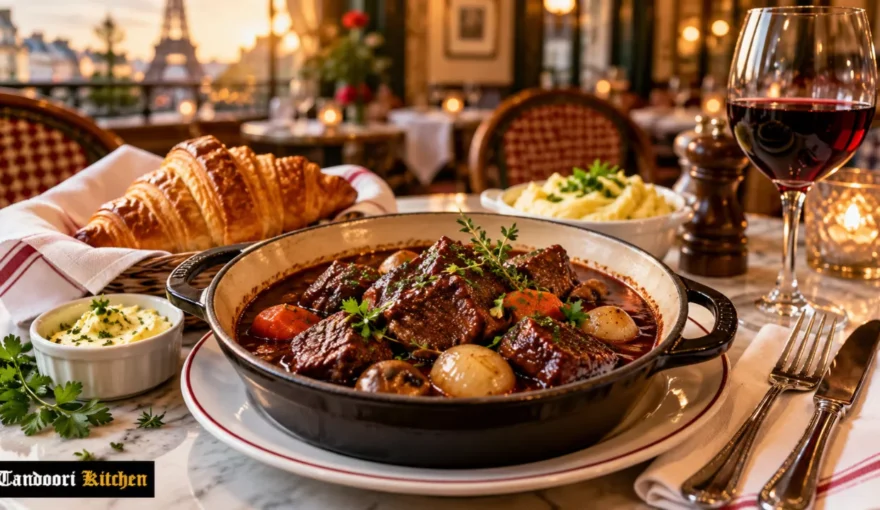
- Boeuf bourguignon: beef slowly cooked in red wine, a staple of Burgundy.
- Ratatouille: a Provençal vegetable stew, best when each vegetable is cooked with care.
- French onion soup: deeply caramelised onions in broth, finished with bread and melted cheese.
- Crème brûlée: a silky baked custard with a crisp caramelised sugar top.
- Crêpes: thin pancakes served sweet or savoury, popular across France.
When you order French food at a restaurant, pay attention to the sauces and the cooking of the protein. A well-made jus or a perfectly seared piece of fish tells you more about the kitchen than an elaborate menu description.
How to Choose an Authentic French Restaurant or Cooking Class
Whether you are dining out or learning to cook, a few signs point to quality. Look for a focused menu rather than a sprawling one, since a kitchen that does fewer things usually does them better. Seasonal dishes are another good sign. Ask how sauces and stocks are made, and notice whether staff can describe dishes with confidence.
For cooking classes, look for instructors who explain why a technique works, not just the steps. Small groups, hands-on practice and a clear focus on fundamentals will teach you far more than a class built around a single showpiece dish. If you have allergies or dietary needs, mention them before you book. Butter, cream, eggs, nuts and wine feature heavily in French cooking, and a good kitchen will welcome the question.
Frequently Asked Questions
What does “French cuisine master” mean?
It describes someone with a deep command of classical French techniques, such as sauces, braising, pastry and knife skills, and the judgement to use them well. Professional training and years of practice are usually involved.
What are the five French mother sauces?
They are béchamel, velouté, espagnole, hollandaise and tomate. Each serves as a base for many other sauces.
Is French food difficult to cook at home?
Some dishes are demanding, but many are simple. Dishes like French onion soup, crêpes and a basic pan-seared fish with butter sauce are achievable once you learn the fundamentals.
What is the best way to start learning French cooking?
Begin with technique rather than complicated recipes. Practise mise en place, browning, deglazing and one mother sauce, then move on to classic dishes like coq au vin.