UK Bacon Crisp Controversy: What the EU Reset Could Mean for Food Labels
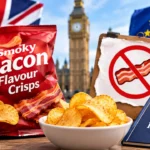
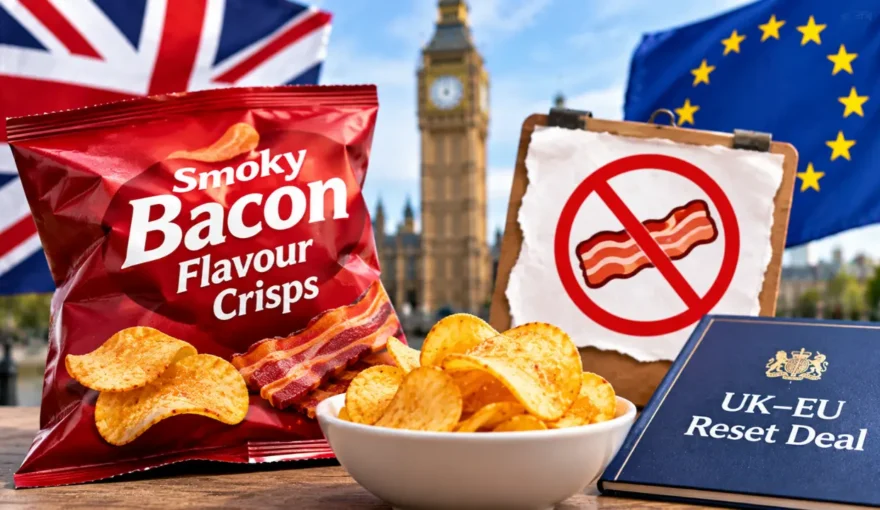
A packet of smoky bacon crisps has become the latest flashpoint in the debate over Britain’s relationship with the European Union. Reports suggest the much-loved flavour could face a new name, a new recipe or even disappear from shelves under Prime Minister Andy Burnham’s planned Brexit reset deal. The reason has nothing to do with bacon itself and everything to do with how food is labelled. Here’s what’s behind the controversy and what it could mean for shoppers.
Why Are Smoky Bacon Crisps in the Spotlight?
Most smoky bacon crisps sold in the UK don’t contain any meat at all. They get their flavour from seasonings and flavourings, which is why many are suitable for vegetarians.
The EU is planning rules that would stop plant-based and vegetarian foods from using “meaty” names. Under a compromise reached between EU governments and members of the European Parliament, a list of 31 protected terms referring to specific cuts or animal species would be off-limits for non-meat products. Reported examples include “steak”, “fillet”, “ribs”, “chicken” and “beef”, with bacon also said to be among the terms that could be affected.
If the UK adopts these rules, products like smoky bacon crisps, roast chicken crisps or flame-grilled steak crisps could fall foul of the labelling restrictions because they use meat names without containing meat.
What Is the EU Reset Deal?
The food and farming agreement is one of three deals the Prime Minister is expected to sign with Brussels at an EU-UK summit on 20 November, alongside agreements on emissions trading and a youth mobility scheme.
Under the food deal, Britain has agreed to align with EU rules on plant and animal health, known as sanitary and phytosanitary (SPS) standards, which also cover areas such as labelling. The aim is to cut border checks, paperwork and costs for businesses trading with Europe. Critics point out that alignment would mean UK law changing over time to match EU rules that Britain has no say in drafting.
What Could Happen to Your Favourite Crisps?
If the rules apply, manufacturers would likely have a few options:
- Rename the product. Crisps could drop the word “bacon” or other meat terms from their packaging and use a different flavour description.
- Change the recipe. Brands could add real meat extract so the meat name becomes accurate. However, this would raise costs, shorten shelf life and mean the crisps would no longer be suitable for vegetarians.
- Remove the product. In some cases, a brand could choose to stop selling a flavour altogether.
It’s important to note that the deal hasn’t been signed yet, and it isn’t yet clear exactly how the EU labelling rules would apply to flavour descriptions on snacks or how quickly any changes would take effect in the UK.
How Smoky Bacon Crisps Could Be Affected
| Possible Outcome | What It Means | Impact on Shoppers |
|---|---|---|
| Rename the flavour | Meat words removed from packaging | Same taste, new name |
| Add real meat extract | Recipe changed to include meat | No longer vegetarian, possibly higher price |
| Discontinue the product | Flavour taken off shelves | Fewer choices in the crisp aisle |
| No change | Rules don’t apply to flavour names | Crisps stay the same |
What Should Shoppers Expect?
For now, smoky bacon crisps remain on supermarket shelves, and nothing changes immediately. Any new labelling rules would depend on the final deal, how the EU rules are written and how the UK chooses to put them into law. If changes do happen, shoppers are more likely to see new names or redesigned packaging than to lose the flavour entirely.
FAQ
Are smoky bacon crisps being banned in the UK?
Not right now. Reports suggest they could be affected if the UK adopts planned EU rules that restrict meat names on vegetarian foods, but the deal hasn’t been signed and the details aren’t final.
Why would bacon crisps be affected?
Most smoky bacon crisps contain no meat and get their flavour from seasonings. Planned EU rules would stop non-meat foods from using certain meat names, such as bacon, chicken and steak.
When is the EU-UK summit?
The summit is scheduled for 20 November 2026, when the Prime Minister is expected to sign agreements on food and farming, emissions trading and youth mobility.
Would other crisp flavours be affected?
Possibly. Flavours like roast chicken and flame-grilled steak could also be affected if the rules apply to snack flavour names.
Source: Click here to view source