Pickle Juice Vs Buttermilk: Which Marinade Is Best For Fried Chicken?
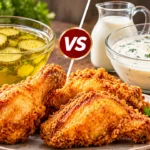
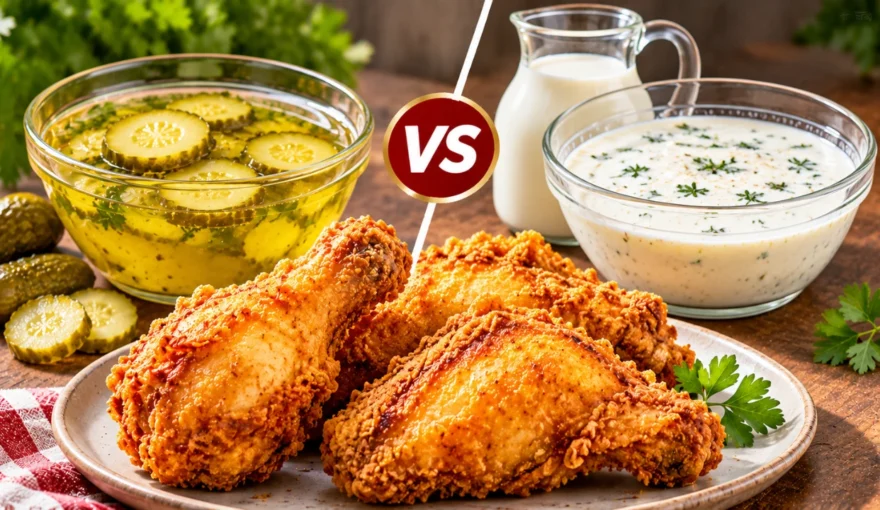
Great fried chicken starts long before it hits the hot oil. The marinade is what makes the meat juicy, tender and full of flavour, and two popular options have home cooks divided: classic buttermilk and tangy pickle juice. Both have loyal fans, and both can make delicious fried chicken. But they work in different ways and give slightly different results. Here’s how they compare, so you can choose the best marinade for your next batch.
Why Marinate Fried Chicken at All?
Chicken, especially lean breast meat, can easily turn dry when fried. A good marinade helps in three ways: it tenderises the meat, adds flavour that goes deeper than the coating, and helps the chicken stay moist during cooking. Some marinades also help the flour or breading stick better, giving you a crunchier, more even crust.
How Buttermilk Works
Buttermilk is the traditional choice for Southern-style fried chicken. It’s mildly acidic, thanks to its lactic acid, which gently breaks down proteins in the meat without making it mushy. The result is tender, juicy chicken with a soft, almost silky texture.
Buttermilk’s thick consistency also clings to the chicken, helping the seasoned flour stick and creating those craggy, extra-crispy bits everyone loves. Its flavour is mild and slightly tangy, letting the seasoning in your coating shine. Most recipes recommend marinating chicken in buttermilk for at least four hours, and often overnight for the best results.
How Pickle Juice Works
Pickle juice is essentially a brine made of vinegar, salt, water and seasonings like dill and garlic. The salt works like a quick brine, seasoning the meat all the way through and helping it hold on to moisture as it cooks. The vinegar adds a bright, tangy flavour that cuts through the richness of fried food.
Pickle juice is a popular choice for copycat chicken sandwich recipes because it gives the meat a subtle tang and a well-seasoned taste. Because it’s more acidic than buttermilk, it works faster, so a few hours is usually enough. Marinating for too long, often more than about 12 hours, can make the texture of the chicken slightly rubbery or mushy.

Pickle Juice vs Buttermilk at a Glance
| Feature | Buttermilk | Pickle Juice |
|---|---|---|
| Main acid | Lactic acid (mild) | Acetic acid from vinegar (stronger) |
| Flavour | Mild, creamy, slightly tangy | Bright, salty, tangy, often dill-flavoured |
| Texture | Very tender and juicy | Juicy and well-seasoned |
| Helps coating stick | Yes, very well | Less so, as it’s thin |
| Best marinating time | 4 to 24 hours | 2 to 12 hours |
| Best for | Classic Southern fried chicken | Chicken sandwiches, tenders and wings |
| Seasoning needed | More salt in the marinade or coating | Already salty, so go easy on extra salt |
Which Marinade Is Best?
The answer depends on the kind of fried chicken you want.
Choose buttermilk if you want classic, Southern-style fried chicken with a thick, crunchy crust and very tender meat. It’s especially good for bone-in pieces like thighs and drumsticks, which benefit from a longer marinade.

Choose pickle juice if you love a tangy, well-seasoned bite, or if you’re making fried chicken sandwiches, tenders or nuggets. It’s also a great option when you’re short on time.
Try the Best of Both Worlds
Can’t decide? Many cooks combine the two. Mix buttermilk with a splash of pickle juice, about one part pickle juice to three or four parts buttermilk, for chicken that’s tender, juicy and lightly tangy. Add hot sauce, garlic powder and paprika to the marinade for extra flavour. The buttermilk still helps the coating stick, while the pickle juice adds salt and brightness.
Source: Click here to view source
Both pickle juice and buttermilk make excellent marinades for fried chicken, but they shine in different ways. Buttermilk delivers ultra-tender meat and a classic, crunchy crust, while pickle juice adds bold, tangy flavour and seasons the chicken deeply. For the ultimate result, try combining them and enjoy the best of both worlds.