Fantastic Tandoori Cooking Master Class: Learn the Craft!
A great tandoori cooking master class teaches you more than recipes. It teaches you why the same chicken tastes smoky, juicy and layered in one kitchen and dry in another. The difference comes down to heat, patience and a handful of small decisions made long before the food reaches the fire. This guide walks through those decisions the way a good teacher would, so you can cook with more confidence at home or know what to look for when you eat out.
What Is a Tandoori Cooking Master Class?
A master class differs from a standard cooking lesson because it focuses on technique, not just ingredients. In a tandoori session you learn how a marinade works on protein, how to read the heat of a clay oven, and how to time each dish so that breads, kebabs and curries land on the table together. The best classes also cover balance: how spice, sour, salt and smoke sit next to each other without any one flavour crowding out the rest.
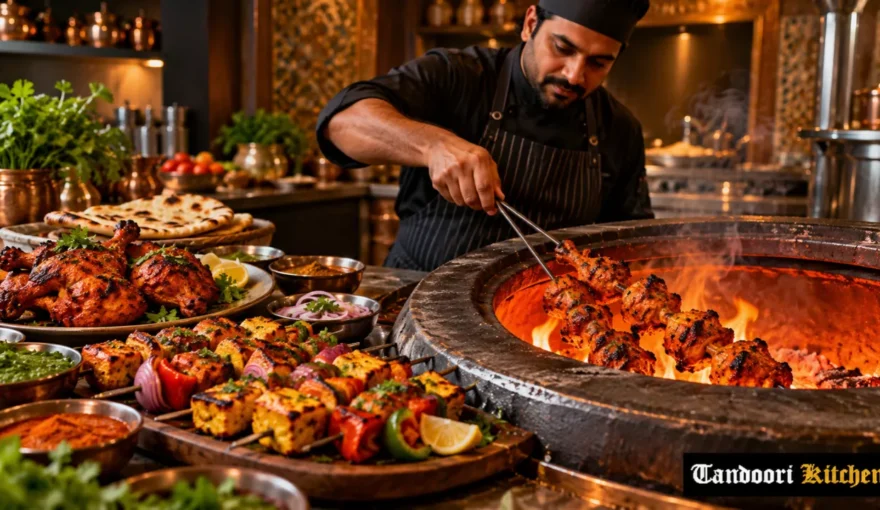
Tandoori cooking is built on a simple idea. Food is cooked by intense radiant heat in a cylindrical clay oven, the tandoor, which traditionally burns charcoal or wood. Traditional tandoors run extremely hot, often cited at around 450°C or higher, which sears the outside of the meat fast and keeps the inside tender. That is why a tandoori dish carries a char and smokiness that a standard oven struggles to copy.

The Marinade: Where Tandoori Flavour Really Starts
Ask any experienced tandoor cook and they will tell you the marinade does most of the work. A classic base combines thick yoghurt, ginger-garlic paste, salt, ground spices and a little oil. Yoghurt is the quiet hero. Its mild acidity softens the meat gently, and its thickness helps the spices cling and brown on the surface.
A few practical lessons that make a real difference:

- Marinate in two stages. A short first marinade of salt, ginger-garlic and a little lemon juice seasons the meat. The yoghurt and spice mix goes on afterwards.
- Go easy on citrus. Lemon or lime left too long can turn the texture of chicken or fish chalky, so keep the acid-heavy step brief.
- Use hung or strained yoghurt. Watery yoghurt slides off and steams the meat instead of charring it.
- Give it time. Chicken and lamb generally improve with several hours or overnight in the fridge, while fish and paneer need far less.
- Choose colour from spice, not dye. Kashmiri chilli gives a deep red with mild heat, so you get the look without overpowering the dish.
Heat, Timing and Technique: Cooking Like a Tandoor Chef
In a clay oven, skewers hang vertically and cook in a few minutes, while breads like naan are stretched and pressed onto the hot inner wall. The skill lies in knowing when to pull the food. Chefs judge by sight, sound and smell: the sizzle, the charred edges, the moment the fat starts to render. Cooks at home can get a close result by combining a very hot oven, a preheated baking stone or steel, and a grill finish for the last few minutes.
Whatever method you use, safety still matters. Chicken should reach an internal temperature of 74°C, and a simple probe thermometer removes the guesswork. Let meat rest for a few minutes before serving so the juices settle. These habits matter more than any single spice.
A Quick Guide to Classic Tandoori Dishes
The table below sums up what you will typically meet in a tandoori master class and what makes each one work. Marinade times are general guides, so adjust for the thickness of your cuts.
| Dish | Main protein or base | Key flavours | Typical marinade time | Cooking note |
|---|---|---|---|---|
| Tandoori chicken | Bone-in chicken | Yoghurt, Kashmiri chilli, ginger, garlic | 4 to 24 hours | High heat for a charred, juicy finish |
| Chicken tikka | Boneless chicken pieces | Yoghurt, garam masala, lemon | 2 to 8 hours | Cook fast to avoid dryness |
| Seekh kebab | Spiced minced lamb or chicken | Cumin, coriander, green chilli, herbs | 30 minutes to 2 hours | Mould firmly onto skewers so it holds |
| Paneer tikka | Paneer with peppers and onion | Yoghurt, chaat masala, mustard oil | 30 minutes to 2 hours | Short marinade, quick sear |
| Garlic naan | Wheat flour dough | Garlic, butter, coriander | Dough rests 1 to 2 hours | Press onto very hot surface until blistered |
Tips for Recreating the Experience at Home
You do not need a clay oven to learn from this style of cooking. Start with one dish, such as chicken tikka, and focus on getting three things right: a well-drained yoghurt marinade, a very hot cooking surface, and a rest before serving. Once that works, add a simple bread and a fresh mint or onion salad to balance the richness.
If you would rather taste the craft than cook it, a restaurant that specialises in tandoori food is the best classroom. Tandoori Kitchen in Port Macquarie, New South Wales, serves Indian tandoori dishes alongside curries and breads, so it is a good place to see how marinades, char and spice come together on one table.
Frequently Asked Questions
Do I need a tandoor oven to learn tandoori cooking?
No. A very hot home oven with a baking stone or steel, plus a grill finish, gives a close result. A real tandoor adds extra smoke and char.
Why is tandoori chicken often red?
Traditionally the colour comes from red chilli, especially Kashmiri chilli. Some restaurants add food colouring, but you can get a rich colour from spice alone.
How long should I marinate chicken for tandoori dishes?
Usually between 4 and 24 hours in the fridge for bone-in pieces, and 2 to 8 hours for boneless tikka pieces. Fish and paneer need much less.
Is tandoori food healthy?
It can be a lighter choice because the food is grilled or roasted rather than deep-fried, and it is often built on lean protein and yoghurt. Portion size, oil, butter and sides still make a difference.