Our favourite sweet treats and savoury dishes from CWA Recipe of the Year
Walk into any regional agricultural show across Australia, and the baking pavilion carries a quiet, unmistakable gravity. Long before social media food trends or sourdough starters dominated kitchen counters, members of the Country Women’s Association (CWA) were perfecting the exact science of oven temperatures, sifted flour, and patience.
What keeps these traditional recipes relevant isn’t nostalgia alone. In an era of rising grocery costs and ultra-processed convenience foods, CWA kitchen staples rely on accessible pantry ingredients, zero-waste techniques, and decades of hands-on testing. When a CWA cook puts forward a recipe for competition judging, every detail—from the crumb structure of a sponge cake to the clean cut of a fruit slice—reflects lived experience passed down across generations.
Why Traditional CWA Baking Still Beats Modern Shortcuts

Judges at CWA branches look for consistency that cannot be faked with artificial stabilizers or pre-packaged mixes. First-hand baking knowledge shows up in small, practical habits:
-
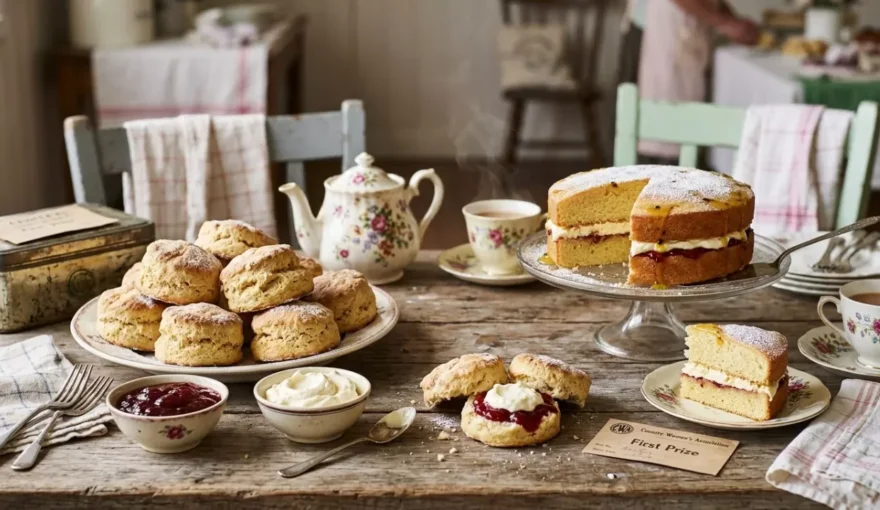
Cold hands and minimal handling: Overworking scone dough develops gluten too quickly, turning what should be a light, flaky afternoon tea staple into a dense biscuit.
-
Room-temperature dairy and eggs: Bringing butter and eggs to ambient temperature before creaming traps air evenly, giving classic butter cakes their signature velvet crumb.
-
Pantry-first resourcefulness: Many celebrated CWA recipes originated during droughts or wartime rationing, proving that vinegar, golden syrup, and self-raising flour can produce remarkable texture without expensive specialty items.

Classic CWA Kitchen Benchmarks at a Glance
Whether you are prepping for a local show entry or baking for a weekend family table, the table below outlines the core standards judges typically evaluate across signature CWA categories.
| Recipe Category | Key Pantry Staples | Critical Technique | What Judges Look For |
| Plain & Date Scones | Self-raising flour, cold butter, full-cream milk | Light fingertips rub-in; bake close together on a hot tray | Even golden top, straight sides, soft and airy interior |
| Sponge Sandwich | Eggs, caster sugar, cornflour, plain flour | Whipping eggs and sugar to ribbon stage before gentle folding | Feather-light texture, flat top, no dark crust or eggy odor |
| Boiled Fruit Cake | Mixed dried fruit, brown sugar, butter, mixed spice | Simmering fruit mixture first, then slow baking at low heat | Even fruit distribution, moist crumb, zero sinking in the center |
| Anzac & Heritage Slices | Rolled oats, desiccated coconut, golden syrup, bicarb soda | Dissolving bicarbonate in boiling water before adding to syrup | Crisp edges, chewy center, balanced caramel aroma |
Bringing Show-Standard Baking Into Your Home Kitchen
You do not need a commercial stand mixer or a country homestead to get reliable results from heritage recipes. Start by checking your oven with an inexpensive standalone thermometer—most domestic ovens run 10 to 15 degrees hotter or cooler than the dial claims, which is the primary culprit behind sunken cakes and dry scones. Measure dry ingredients by spooning flour into the cup and leveling it off rather than scooping straight from the bag, and always let baked goods cool on a wire rack so trapped steam doesn’t soften the base.
If you want the exact recipe names, winner quotes, and specific details from that ABC News article included, paste the article text here and I’ll weave those exact facts directly into this piece.