It’s Low-Effort But Still Offers Some Nutrition”: People Are Sharing The Easy Meal They Make When They’re Feeling Low-Energy, Anxious, Or Depressed
Some days, cooking dinner feels about as doable as running a marathon. You’re hungry, you know you should eat something decent, and yet the idea of chopping an onion makes you want to lie on the kitchen floor.
If that sounds familiar, you’re not lazy and you’re not alone. Low mood, anxiety, burnout, and depression all drain the energy you’d normally spend on planning, shopping, and cooking. So the takeaway-and-crisps cycle starts, and then you feel worse.

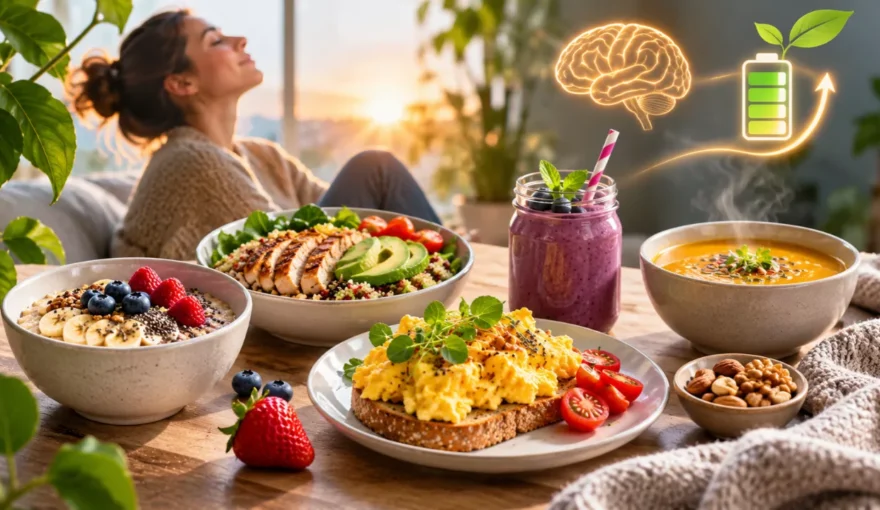
We pulled together the meals that people who’ve been there actually lean on. None of them are fancy. Most take under 15 minutes of real effort, and a few take almost none. The goal isn’t a perfect plate. It’s getting something with a bit of protein, a bit of fibre, and a bit of comfort into your body, so tomorrow is a little easier.
24 low-effort meals that still feed you properly
1. Start with permission, not perfection
Before any recipe, a reminder: a frozen meal, a sandwich, or cereal at 9 p.m. still counts as eating. Whole foods help when you can manage them. When you can’t, fed beats perfect every time.
2. The loaded baked potato
Stab a potato with a fork a few times and microwave it for 6 to 8 minutes, turning once. If you have the energy, crisp the skin in the oven or air fryer for 10 minutes. Top with butter, grated cheese, and a handful of steamed frozen broccoli. It’s cheap, filling, and warm in your hands.
3. Sausage, bean, and greens stew
Brown a few sliced sausages in one pot. Tip in a drained can of white beans, a splash of stock, and a big fistful of spinach or kale. Let it bubble for 10 minutes. One pot to wash, and it tastes better the next day.
4. Tofu, straight from the pack
Silken tofu needs no cooking at all. Spoon it into a bowl, add soy sauce, chilli oil, and spring onion, and eat it with rice. Firm tofu takes a little more work: press it in a tea towel, cube it, and pan-fry until golden.
5. Shortcut noodle soup
A carton of ready-flavoured broth does the hard part. Heat it, drop in instant noodles, frozen veg, and an egg, and you’ve got something close to ramen in five minutes. A slow-cooker chili works the same way on days you can manage a little prep in the morning.
6. Store-bought dough pizza night
Buy a ready-made base or dough ball, spread on jarred sauce, and let everyone at home add their own toppings. Pair it with a bagged salad. If you have kids, they’ll see it as a treat rather than a fallback.
7. Rice-cooker congee
Add one part rice to about eight parts water or stock, press the porridge setting, and walk away. Later, stir in a soft egg, leftover chicken, or a dash of sesame oil. It’s gentle on an anxious stomach.
8. One big pot of simple soup
Minestrone, lentil, or a blended tomato soup all freeze well. Make a pot on a better day and portion it into containers. For something sweet, homemade granola or popcorn with a few chocolate chips is cheap and easy.
9. No-bake protein cookie dough
Mix a scoop of protein powder with peanut butter and a splash of milk until it forms a dough. Eat it with a spoon. It’s not dinner, but on a rough night it’s far better than nothing.
10. Pressure-cooker shredded chicken
Cook a batch of chicken thighs in an Instant Pot with salsa or stock, then shred with two forks. Use it all week in tacos, wraps, rice bowls, or stuffed rolls. Sheet-pan pancakes are a similar batch trick for kids’ breakfasts.
11. Five-minute miso soup
Whisk miso paste into hot water with a little dashi or stock. Add cubed tofu, frozen spinach, or seaweed. Keep pre-portioned add-ins in the freezer so you only need a kettle.
12. Big-batch chili
Buy pre-diced onion and peppers, brown some mince or skip it, and add canned beans, tomatoes, and spices. Make double. It feeds you on day one and rescues you on day four.
13. Split pea soup in the pressure cooker
Dried split peas, a chopped carrot, stock, and a bay leaf, cooked under pressure for about 15 minutes. It’s high in protein and fibre and costs very little.
14. Pesto chicken soup
Simmer raw chicken breast in stock with a few vegetables, lift it out, shred it, and return it to the pot. Stir in a spoon of jarred pesto at the end. It tastes like you tried much harder than you did.
15. Sheet-pan dinners
Put chicken, fish, or chickpeas on a tray with chopped veg, coat with a ready-made sauce or spice mix, and roast for 25 minutes. One tray, one wash.

16. Cook once, freeze in portions
On days with a little more energy, cook extra protein such as meatballs, mince, or lentils. Freeze in single portions so future-you only has to reheat.
17. Rotisserie chicken roast-up
Warm a shop-bought roast chicken in the oven alongside a bag of frozen roasting vegetables. Season, wait 20 minutes, and eat.
18. The nutrient-friendly plate
When you can manage it, aim for dark leafy greens, oily fish like salmon or sardines, and some fresh fruit. These are often linked to steadier energy, though they’re no substitute for proper support.
19. The grown-up snack plate
Crackers, cheese, sliced meats, cherry tomatoes, cucumber, olives, and a tub of dip. No cooking, no thinking. Arrange it nicely and it feels like a little picnic.
20. Rice, natto, and miso
Keep cooked rice in the freezer. Pair it with a pot of natto (fermented soybeans) and instant miso. It’s a full, protein-rich meal that needs only a microwave.
21. Veg and hummus
Baby carrots, sugar snap peas, pepper strips, and warm pita with hummus. Add feta, olives, or a boiled egg if you want more staying power.
22. Flavoured tinned fish
Tins of mackerel, sardines, or tuna in tomato, chilli, or lemon sauce are shelf-stable protein. Pile onto toast or rice and you’re done.
23. Bagged salad plus rotisserie chicken
Open a bag of salad kit, pull some chicken off a shop-bought bird, and toss together. Practically zero prep and surprisingly balanced.
24. The basics list
When everything feels too hard, fall back on eggs, oats, Greek yoghurt, cottage cheese, peanut butter toast, and bananas. Keeping these stocked means there’s always something within reach.
Quick comparison: effort, time, and protein
Use this table to pick a meal based on how much you have left in the tank today. Times are rough estimates of hands-on work, not total cooking time.
| Meal | Effort level | Hands-on time (min) | Protein | Equipment needed | Freezer-friendly |
|---|---|---|---|---|---|
| Snack plate | Very low | 5 | Medium | None | No |
| Bagged salad + rotisserie chicken | Very low | 5 | High | None | No |
| Flavoured tinned fish on toast | Very low | 5 | High | Toaster | No |
| Silken tofu bowl | Very low | 5 | Medium | None | No |
| Veg and hummus | Very low | 5 | Low–medium | None | No |
| Rice, natto, and miso | Very low | 5 | High | Microwave, kettle | Rice only |
| Protein cookie dough | Very low | 3 | High | None | Yes |
| Miso soup | Low | 5 | Medium | Kettle | Add-ins only |
| Shortcut noodle soup | Low | 5 | Medium | Hob | No |
| Loaded baked potato | Low | 10 | Medium | Microwave | No |
| Rice-cooker congee | Low | 5 | Low–medium | Rice cooker | Yes |
| Rotisserie chicken roast-up | Low | 5 | High | Oven | No |
| Sheet-pan dinner | Medium | 10 | High | Oven | Yes |
| Sausage, bean, and greens stew | Medium | 15 | High | One pot | Yes |
| Pesto chicken soup | Medium | 15 | High | One pot | Yes |
| Store-bought dough pizza | Medium | 15 | Medium | Oven | Yes |
| Split pea soup | Medium | 10 | High | Pressure cooker | Yes |
| Shredded chicken (batch) | Medium | 10 | High | Pressure cooker | Yes |
| Big-batch chili | Medium | 20 | High | One pot or slow cooker | Yes |
A low-energy pantry: what to keep stocked
The easiest meal is the one you already have the ingredients for. Here’s a short shopping list built around foods that last.
| Category | Items to keep on hand | Why it helps | Typical shelf life |
|---|---|---|---|
| Fridge protein | Eggs, Greek yoghurt, cottage cheese, tofu | Ready in minutes, little or no cooking | 1–4 weeks |
| Tins and jars | Beans, chickpeas, tinned fish, tomatoes, pesto | Shelf-stable protein and flavour | 1–2 years |
| Grains and carbs | Oats, rice, instant noodles, pitta, potatoes | Cheap, filling base for any meal | Weeks to months |
| Freezer | Mixed veg, spinach, cooked rice, soup portions, dumplings | Nutrition without chopping | 3–6 months |
| Shortcuts | Rotisserie chicken, bagged salad, pre-diced onion | Removes most of the prep | 2–5 days |
| Flavour boosters | Soy sauce, miso, chilli oil, stock cubes, spice mixes | Makes plain food taste like a meal | Months |
| Snacks | Peanut butter, nuts, crackers, cheese, fruit | Something to grab when cooking isn’t possible | Varies |
Be gentle with yourself
None of these meals will fix a hard season on their own, and they aren’t meant to. They’re there to take one decision off your plate, quite literally, on the days you have nothing left to give.
If low mood or anxiety has been sticking around for weeks, or it’s getting in the way of eating, sleeping, or getting through the day, please talk to a GP, a therapist, or someone you trust. Asking for help is as practical as stocking the freezer.
What’s the meal you reach for when everything feels like too much? Share it in the comments. Someone else might need it tonight.
FAQ
What should I eat when I’m depressed and have no energy to cook?
Go for no-cook or one-step options: a snack plate, tinned fish on toast, a bagged salad with shop-bought chicken, or yoghurt with fruit and oats. The aim is to get some protein and fibre in, not to cook a proper dinner.
Are low-effort meals still healthy?
They can be. Frozen vegetables, tinned beans, eggs, tofu, and rotisserie chicken are all nutritious and need very little work. Adding one vegetable and one protein to a convenience meal makes a real difference.
How can I prepare for low-energy days in advance?
Cook in batches on better days and freeze single portions of soup, chili, or shredded chicken. Keep a short pantry list of long-lasting staples so there’s always something ready.
Can food actually help with low mood?
Regular, balanced meals can help keep your energy steadier, and diets rich in leafy greens, oily fish, and whole foods are often linked to better wellbeing. Food supports your mental health, but it doesn’t replace professional help if you’re struggling.