Coffee Pods Vs. Coffee Grounds: What’s The Difference?
Whether you start your day with a quick single-serve cup or a full pot of freshly brewed coffee, how you make your coffee says a lot about your routine. Two of the most popular options are coffee pods and coffee grounds. Pods offer speed and convenience, while grounds give you more control, flexibility and often better value. But which one is right for you? Here’s how they compare on taste, cost, convenience and environmental impact.
What Are Coffee Pods?
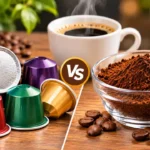
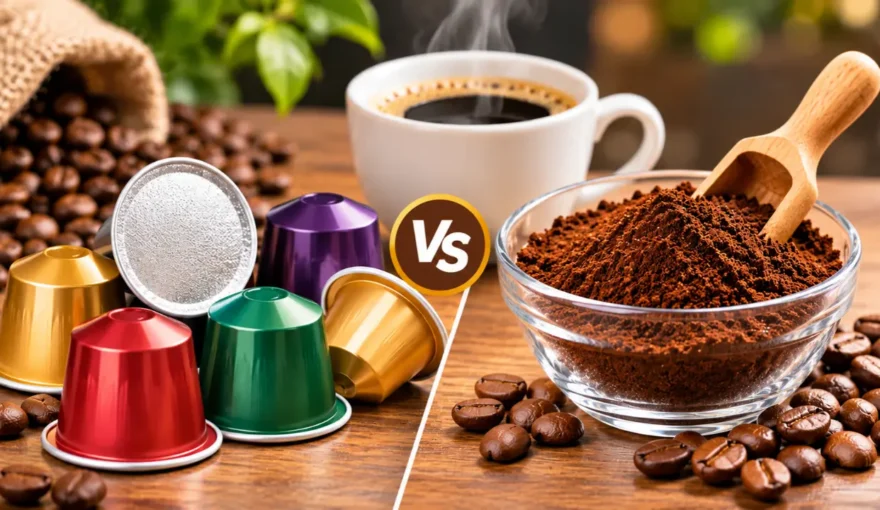
Coffee pods, also known as capsules or single-serve pods, are pre-measured portions of ground coffee sealed in a plastic, aluminium or compostable container. They’re designed for single-serve machines, such as Keurig, Nespresso and Dolce Gusto. You simply pop in a pod, press a button and get a fresh cup in about a minute.

Because each pod is sealed, the coffee inside is protected from air and moisture until it’s brewed, which helps keep it fresh. Pods also come in a huge range of flavours, roasts and drink styles, from espresso and lattes to hot chocolate and tea.
What Are Coffee Grounds?
Coffee grounds are coffee beans that have been ground into smaller particles, either bought pre-ground or ground fresh at home. They can be used in many brewing methods, including drip coffee makers, French presses, pour-over drippers, espresso machines, moka pots and cold brew.
With grounds, you choose how much coffee to use, how fine to grind it and how to brew it, giving you full control over the strength and flavour of your cup.
Coffee Pods vs Coffee Grounds at a Glance
| Feature | Coffee Pods | Coffee Grounds |
|---|---|---|
| Convenience | Very quick and easy | Takes more time and effort |
| Cost per cup | Usually higher | Usually lower |
| Flavour control | Limited | Full control over strength and grind |
| Freshness | Sealed until brewed | Loses freshness after opening, best ground fresh |
| Variety | Wide range of flavours and drink styles | Huge range of beans, roasts and origins |
| Brewing methods | Requires a compatible pod machine | Works with many brewing methods |
| Serving size | Single cup | Single cup to full pot |
| Waste | Used pods create packaging waste | Grounds can be composted |
| Best for | Busy mornings and single drinkers | Coffee lovers and households |
Taste and Quality
When it comes to flavour, coffee grounds generally have the edge, especially if you grind whole beans just before brewing. Freshly ground coffee releases more aroma and flavour, and you can adjust the grind size, brewing time and coffee-to-water ratio to suit your taste.
Pods can still make a good cup of coffee, and premium brands have improved significantly over the years. However, the amount of coffee in each pod is fixed, and the brewing process is quick, which can result in a lighter or less complex flavour compared with carefully brewed coffee.
Cost
Coffee pods are convenient, but they usually cost more per cup than coffee grounds. You’re paying for the individual packaging and convenience. Coffee grounds tend to be more budget-friendly, especially if you buy larger bags or whole beans and brew multiple cups at once.
Convenience

This is where pods shine. There’s no measuring, grinding or cleaning up messy grounds, and each cup is consistent every time. That makes pods ideal for busy mornings, offices and households where everyone wants a different drink. Grounds take a little more time and effort, but many coffee lovers enjoy the brewing ritual.

Environmental Impact
Used coffee pods create a lot of packaging waste, particularly plastic pods that can be hard to recycle. Many brands now offer recyclable aluminium capsules, recycling programmes or compostable pods, but recycling often requires extra steps, such as separating the coffee from the container.
Coffee grounds produce less packaging waste, and used grounds can be added to compost or used in the garden. Choosing reusable pods, which you fill with your own grounds, is a good middle ground for pod machine owners.
Which One Should You Choose?
- Choose coffee pods if you value speed, convenience and consistency, drink one cup at a time or want a variety of drink options at home.
- Choose coffee grounds if you want better value, more control over flavour, brew for several people or prefer a lower-waste option.
- Try reusable pods if you love your pod machine but want to cut costs and reduce waste.
The Bottom Line
Coffee pods and coffee grounds both have their place. Pods are fast, easy and consistent, making them perfect for busy lifestyles, while grounds offer richer flavour, better value and more flexibility. The best choice depends on your taste, budget and routine, and many coffee lovers enjoy using both.
FAQ
Are coffee pods more expensive than coffee grounds?
Yes, in most cases. Coffee pods usually cost more per cup because you’re paying for individual packaging and convenience.
Do coffee pods taste as good as ground coffee?
Pods can make a good cup of coffee, but freshly ground coffee generally offers more flavour and aroma, along with more control over strength.
Can you put coffee grounds in a pod machine?
Yes, if you use a reusable pod or filter designed for your machine. Simply fill it with your own coffee grounds.
Are coffee pods bad for the environment?
Used pods can create a lot of waste, especially plastic ones. Choosing recyclable, compostable or reusable pods can help reduce their environmental impact.
Bolded anchor phrases to link: coffee pods, coffee grounds.
Source: Click here to view source