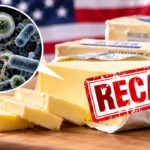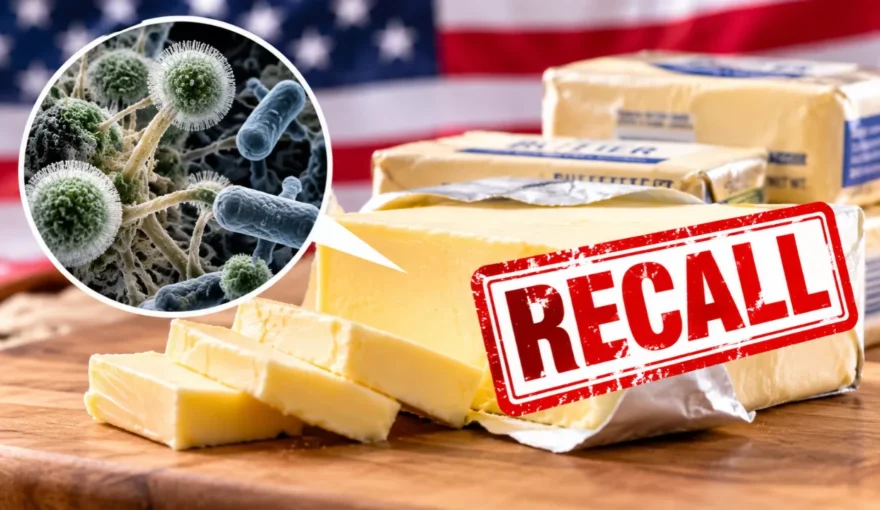
FDA Announces Butter Recall in 10 States Due to Yeast, Mold, and E. Coli…
If you keep a block of vegan butter in your fridge, now is a good time to check it. A popular plant-based butter from Miyoko’s Creamery has been pulled from stores. The reason is possible contamination with E. coli, yeast and mold.
The U.S. Food and Drug Administration (FDA) has now given the recall an official risk level. As a result, shoppers in several states are being urged to look closely at their packages. Here is everything you need to know, including how to spot the affected product and what to do next.
Which Butter Is Being Recalled?
The recall covers Miyoko’s Creamery European Style Salted Plant Milk Butter. Some retailers list it under a slightly different name: European Style Cultured Vegan Salted Butter. Either way, it is the same 8-ounce product.

The company behind the recall is Prosperity Organic Foods, Inc., based in Boise, Idaho. This firm also owns the Melt Organic brand. It took over Miyoko’s Creamery in late 2025 after the brand went through financial trouble.
In total, 1,304 cases of the butter are part of the recall. Each case is a six-pack of 8-ounce units. The product is perishable, so it is sold either refrigerated or frozen.
How to Identify the Recalled Product
Not every Miyoko’s butter is affected. Only one specific batch is included. Therefore, you should match the details on your package with the information below.
| Detail | Information |
|---|---|
| Brand | Miyoko’s Creamery |
| Product name | European Style Salted Plant Milk Butter (also sold as European Style Cultured Vegan Salted Butter) |
| Package size | 8 oz units, sold in six-packs |
| UPC | 857554005773 |
| Lot number (on carton) | 07871 |
| Lot number (on shipping case) | 1007871 |
| Best-by date | November 5, 2026 |
| Total cases recalled | 1,304 |
| Storage type | Refrigerated or frozen |
| Recalling firm | Prosperity Organic Foods, Inc. (Boise, Idaho) |
| FDA risk level | Class II |
| Reason | Possible yeast, mold and E. coli contamination |
The packaging is easy to recognize. It features yellow and cream stripes, along with a black banner across the top. The creamery’s name appears in white lettering on that banner.
Where Was the Butter Sold?
According to the FDA notice, the butter reached shoppers in 10 states. These are listed in the table below.
| States Named in the FDA Notice |
|---|
| Connecticut |
| Florida |
| Georgia |
| Illinois |
| Indiana |
| Iowa |
| Maryland |
| New Hampshire |
| New Jersey |
| Wisconsin |
However, the reach may be wider than this list suggests. Retailers including Raley’s, Sprouts Farmers Market and Wegmans posted their own recall notices. Sprouts, for instance, said it sold the product in stores across Alabama, Delaware, Florida, Georgia, Maryland, North Carolina, New Jersey, New York, Pennsylvania, South Carolina, Tennessee and Virginia.
For that reason, it makes sense to check your fridge even if your state is not on the FDA list.
What Does a Class II Recall Mean?
The FDA uses three levels to rank recalls. Class I is the most serious, while Class III carries the lowest risk.
This recall sits in the middle. The agency assigned it Class II status on Friday, October 23, 2026. In simple terms, this means eating the product could cause health problems that are temporary or can be treated. Still, the chance of serious harm is considered low.
Even so, a lower risk does not mean zero risk. That is especially true when E. coli is involved.
Why E. coli in Butter Is a Concern
E. coli is a type of bacteria that lives in the gut of people and animals. Most strains are harmless. Some, though, can make you quite sick.
Butter is usually eaten without cooking. People spread it on toast, melt it over vegetables or add it to finished dishes. Because of this, any bacteria present may not be killed by heat.
Meanwhile, yeast and mold are more often linked to spoilage. They can change the taste, smell and texture of food. In some cases, they may also trigger stomach upset or allergic-type reactions.
Common Symptoms of an E. coli Infection
Signs usually show up a few days after eating contaminated food. Watch for:
- Stomach cramps, which can be severe
- Diarrhea, sometimes bloody
- Nausea or vomiting
- A mild fever in some cases
Most healthy adults recover within about a week. On the other hand, some people face a higher risk of complications. This group includes young children, older adults, pregnant people and anyone with a weakened immune system.
Watch for Signs of HUS
In rare cases, certain E. coli strains can lead to hemolytic uremic syndrome, or HUS. This condition affects the kidneys and can be dangerous. Warning signs include peeing less often, unusual tiredness and pale skin. If you notice any of these, get medical care right away.
Have Any Illnesses Been Reported?
So far, the recall notices have not mentioned any confirmed illnesses linked to this butter. That said, the situation can change. If you ate the product and feel unwell, it is wise to speak with a doctor.
What to Do If You Have the Recalled Butter
First, check your fridge and freezer. Compare the UPC, lot number and best-by date with the table above.
If your butter matches, do not eat it. Also, avoid cooking or baking with it. Handling it in the kitchen could spread germs to other foods and surfaces.
Next, choose one of these options:
- Return it. Take the product back to the store where you bought it for a full refund.
- Throw it away. Seal it in a bag, then place it inside a second bag before putting it in a covered trash can.
After that, clean any shelves, containers or counters the butter touched. Warm, soapy water works well. Finally, wash your hands thoroughly.
A Quick Look Back at Miyoko’s Creamery
Miyoko’s Creamery has long been a big name in plant-based dairy. Founded in 2014, the brand made its mark with cultured cashew-based butters and cheeses. Its butter became one of the best-known dairy-free options in U.S. grocery stores.
In 2025, however, the company ran into financial trouble. Prosperity Organic Foods later bought its assets and brought the products back to shelves in 2026. This recall arrives only a few months after that return.
The Miyoko’s plant butter recall affects a single batch with a November 5, 2026 best-by date. Although the FDA rates it as a moderate risk, E. coli is not something to take lightly. A quick label check takes less than a minute. In the end, that small step can protect you and your family.
Frequently Asked Questions
Is all Miyoko’s Creamery butter being recalled?
No. Only the European Style Salted Plant Milk Butter with UPC 857554005773, lot code 07871 (or 1007871 on the shipping case) and a best-by date of November 5, 2026 is included. Other Miyoko’s products are not part of this recall.
Can I cook the recalled butter to make it safe?
It is best not to. Handling the product can spread bacteria to your hands, tools and other foods. Instead, return it to the store or throw it away.
What should I do if I already ate the recalled butter?
Keep an eye on your health over the next several days. If you notice stomach cramps, diarrhea, vomiting or fever, contact a doctor. Seek care quickly if symptoms are severe or if a child, older adult or pregnant person ate it.
How can I get a refund for the recalled butter?
Bring the product to the store where you bought it. Most retailers offer a full refund for recalled items, often even without a receipt.