Spanish Pasta Recipes You Won’t Resist: 6 Cozy Dishes to Cook at Home
Ask most people about Spanish food and they’ll mention paella, tapas or jamón. Pasta rarely comes up, yet Spanish pasta recipes are a quiet pillar of home cooking, from short, toasted noodles simmered in seafood broth to baked cannelloni served at family celebrations. These dishes are honest, frugal and deeply flavoured. If you want a weeknight dinner that feels different from the usual Italian-style plate, this guide is a good place to start.
What Makes Spanish Pasta Recipes Different?
Spanish cooks tend to treat pasta as a vehicle for broth, sofrito and good olive oil rather than for thick, creamy sauces. Short, thin noodles (called fideos) are often toasted in oil before liquid goes in, which gives a nutty depth you won’t get from boiling alone. Many recipes are also cooked in one pan, so the pasta absorbs the stock around it and carries more flavour with every bite.

The pantry is simple: olive oil, garlic, ripe tomato, sweet or smoked paprika (pimentón), saffron, and whatever the sea or the butcher offers. Once you have those basics, most of the dishes below come together in under an hour.
6 Spanish Pasta Dishes to Try at Home
1. Fideuà: the paella cousin
Fideuà comes from the Valencian coast and is cooked like paella, but with short noodles instead of rice. Toast the noodles in a wide pan, add a fish stock built from shrimp heads or firm white fish, and finish with a spoonful of garlicky alioli. The noodles should be slightly crisp at the edges, much like the socarrat of a good paella.
2. Fideos a la cazuela
This is the comforting stew-like version, usually made with pork ribs, chorizo or chicken. The noodles simmer in a rich, paprika-tinted broth until tender. It’s a cold-weather dish that tastes better the next day.
3. Canelones (Spanish cannelloni)
In Catalonia, canelones are traditionally made with leftover roast meat, bound with béchamel and baked until golden. They’re closely tied to festive meals, and the filling is usually finely minced so each tube is soft and savoury.
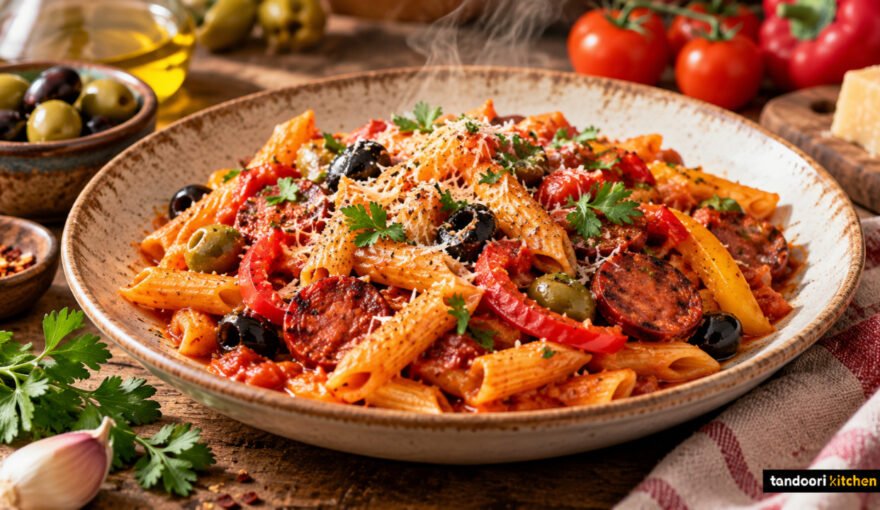
4. Macarrones con chorizo
A weeknight classic in many Spanish households: macaroni in a tomato sauce built on sautéed onion and sliced chorizo. The paprika-rich oil from the sausage colours the sauce naturally. It’s popular with children and easy to scale up.
5. Sopa de fideos
A light noodle soup with fine vermicelli, chicken or vegetable broth and sometimes a little tomato. It’s the sort of dish served to anyone who is tired, cold or under the weather, and it takes about 20 minutes.

6. Fideos con almejas (noodles with clams)

Short noodles cooked in a clam-infused broth with garlic, white wine and parsley. It tastes of the sea and works well for dinner guests because it looks impressive with little effort.
Quick Comparison of Spanish Pasta Recipes
| Dish | Region of origin | Main flavours | Approx. cook time | Best for |
|---|---|---|---|---|
| Fideuà | Valencia | Seafood stock, saffron, alioli | 45–60 min | Weekend dinners |
| Fideos a la cazuela | Various regions | Pork, chorizo, paprika | 40–50 min | Cold evenings |
| Canelones | Catalonia | Roast meat, béchamel, cheese | 1.5 hrs (with baking) | Celebrations |
| Macarrones con chorizo | Nationwide | Tomato, chorizo | 25–30 min | Weeknights, families |
| Sopa de fideos | Nationwide | Light broth, vermicelli | 20 min | Comfort food |
| Fideos con almejas | Coastal regions | Clams, garlic, white wine | 30–35 min | Guests, seafood lovers |
Times are rough guides and will vary with your stove, pan size and ingredients.
Pro Tips for Cooking Spanish Pasta Dishes
A few habits make a noticeable difference to the final plate:
- Toast the noodles first. Fry fideos in a little olive oil until golden brown, stirring constantly, since they burn quickly.
- Use a good stock. Homemade fish or chicken stock is best, but a quality low-salt store-bought version works if you season carefully.
- Don’t drown the pan. In dishes like fideuà, add liquid gradually so the noodles absorb it instead of turning mushy.
- Choose the right paprika. Sweet pimentón gives colour and mild flavour; smoked adds depth. Check the label so you get the one you intend.
- Rest before serving. Five minutes off the heat helps the flavours settle and the noodles firm up.
Frequently Asked Questions
What is the most popular Spanish pasta dish?
Fideuà is probably the best known outside Spain, while macarrones con chorizo and sopa de fideos are everyday favourites in home kitchens.
What’s the difference between fideuà and paella?
Fideuà uses short noodles, while paella uses rice. Both are cooked in a wide pan with stock, but fideuà is typically served with alioli on the side.
Can I use regular spaghetti for Spanish pasta recipes?
Yes. Break spaghetti into short pieces, about 2–3 cm, and toast them as you would fideos. Thin vermicelli also works well.
Are Spanish pasta recipes hard to make?
Most are straightforward. Dishes like macarrones con chorizo or sopa de fideos suit beginners, while canelones take more time but are not technically difficult.
Spanish pasta recipes reward patience more than skill. Toast the noodles, build a flavourful base and let the broth do the work. Start with macarrones con chorizo on a busy evening, then try fideuà when you have time to enjoy the process. Once you’ve made one, you’ll probably find yourself reaching for the fideos again.