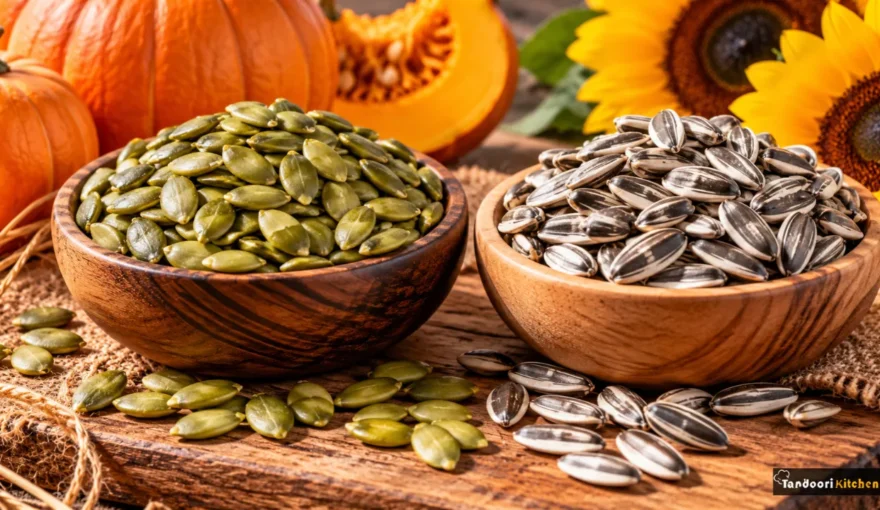
Pumpkin Seeds vs. Sunflower Seeds: Which Is Better for Healthy Fats?
When choosing nutritious snacks, pumpkin seeds and sunflower seeds are two excellent options. Both contain healthy fats, plant-based protein, and important nutrients, but their nutritional profiles differ in ways that may influence which one suits your needs. If you want to support heart health, maintain a balanced diet, or find a satisfying snack, understanding these differences can help you make a more informed choice.
The main difference comes down to the types of fat and the nutrients each seed provides. Sunflower seeds are particularly rich in polyunsaturated fats and vitamin E, while pumpkin seeds provide more protein per ounce in many common preparations and are notable for their magnesium and zinc content. Neither is automatically better for everyone; your dietary goals and portion sizes matter.
1. Pumpkin Seeds vs. Sunflower Seeds: Nutritional Comparison
Both seeds provide energy, healthy unsaturated fats, and several essential nutrients. Their exact nutritional values vary depending on whether they are raw, roasted, salted, or prepared with added oil.

A typical one-ounce serving of plain seeds offers approximately the following:
| Nutrient | Pumpkin Seeds (Pepitas) | Sunflower Seeds |
|---|---|---|
| Calories | 160–165 | 160–170 |
| Total fat | 13–14 g | 14–15 g |
| Protein | 8–9 g | 5–6 g |
| Carbohydrates | 4–5 g | 6–7 g |
| Fiber | 1–2 g | 2–3 g |
| Notable nutrients | Magnesium, zinc, iron | Vitamin E, selenium |
Values are approximate and depend on the product and preparation method.

Both options can fit into a balanced eating pattern. Pumpkin seeds may appeal to people looking for more protein and minerals in a small serving, while sunflower seeds offer a useful source of vitamin E and unsaturated fats.
2. Which Seeds Have More Healthy Fats?
When comparing pumpkin seeds vs. sunflower seeds for healthy fats, the type of fat matters as much as the total amount. Both contain monounsaturated and polyunsaturated fats, which can replace some saturated fats in a balanced diet.

Sunflower seeds are particularly rich in polyunsaturated fats, including linoleic acid, an essential omega-6 fatty acid that the body needs from food. Pumpkin seeds also supply unsaturated fats, including linoleic acid and monounsaturated fats.
Neither seed is a major source of omega-3 fats. If you want to increase your omega-3 intake, consider foods such as walnuts, chia seeds, flaxseeds, or oily fish.
For everyday eating, the practical approach is to use either seed in place of snacks high in saturated fat or refined carbohydrates rather than simply adding extra calories to your diet.
3. Pumpkin Seeds vs. Sunflower Seeds for Heart Health
Both pumpkin and sunflower seeds can contribute to a heart-conscious diet because they contain unsaturated fats. Replacing some saturated fat with unsaturated fat can help improve blood cholesterol levels, depending on the overall dietary pattern.
Pumpkin seeds provide magnesium, a mineral involved in normal muscle and nerve function, including the function of the heart. They also supply zinc, which supports immune function and many other processes in the body.
Sunflower seeds are an excellent source of vitamin E, an antioxidant that helps protect cells from oxidative damage. They also provide unsaturated fats that can form part of a balanced eating pattern.
However, neither seed should be treated as a standalone treatment for high cholesterol, high blood pressure, or heart disease. Choose plain or lightly salted varieties, keep portions reasonable, and combine them with vegetables, whole grains, legumes, fruits, and other nutrient-rich foods.
4. Protein, Vitamins, and Minerals: What Sets Them Apart?
Pumpkin seeds and sunflower seeds offer different nutritional strengths, so the better choice depends on what you want from your snack.
Pumpkin seeds are a good choice if you want:
- More plant-based protein per typical one-ounce serving.
- Magnesium to support normal muscle and nerve function.
- Zinc for immune function and other essential bodily processes.
- A crunchy topping for salads, soups, oatmeal, or roasted vegetables.
Sunflower seeds are a good choice if you want:
- More vitamin E, which helps protect cells from oxidative damage.
- A convenient source of unsaturated fats.
- A versatile ingredient for yogurt, homemade granola, salads, and whole-grain dishes.
- A simple snack that adds texture and nutrients to everyday meals.
Both seeds can contribute to a varied diet. They are not complete replacements for protein-rich foods such as beans, lentils, eggs, dairy products, fish, or other suitable protein sources.
5. How to Eat Pumpkin and Sunflower Seeds Every Day
You do not need to eat large amounts of seeds to benefit from their nutritional value. A serving of about one ounce, or 28 grams, is a practical starting point for many adults, although individual calorie and nutritional needs vary.
Here are a few easy ways to include them in your routine:
- Breakfast: Sprinkle pumpkin seeds over oatmeal or add sunflower seeds to yogurt.
- Lunch: Add either seed to a vegetable salad for extra crunch.
- Afternoon snack: Enjoy a small handful of unsalted seeds with fresh fruit.
- Dinner: Scatter roasted pumpkin seeds over soup or roasted vegetables.
- Homemade snacks: Mix both seeds with oats and dried fruit to make a simple trail mix.
Choose unsalted or lightly salted varieties if you are monitoring sodium intake. Check labels for added oils, sugar, and flavorings, and remember that both seeds are calorie-dense despite their nutritional benefits.
6. Pumpkin Seeds vs. Sunflower Seeds: Which Should You Choose?
The better option depends on your priorities rather than a single nutritional ranking. Pumpkin seeds generally offer more protein per ounce and are particularly useful for increasing magnesium and zinc intake. Sunflower seeds stand out for their vitamin E content and their contribution of polyunsaturated fats.
If healthy fats are your main concern, both seeds are worthwhile choices. Sunflower seeds tend to provide more polyunsaturated fat, while pumpkin seeds supply a mixture of polyunsaturated and monounsaturated fats. Both can support a balanced diet when eaten in sensible portions.
You can also alternate between them throughout the week. Adding variety helps you benefit from their different nutrient profiles without relying too heavily on a single food. Ultimately, the most useful choice is the seed you enjoy, tolerate well, and can include consistently in your meals.
Frequently Asked Questions
1. Are pumpkin seeds healthier than sunflower seeds?
Neither is universally healthier. Pumpkin seeds typically provide more protein, magnesium, and zinc, while sunflower seeds are especially rich in vitamin E and polyunsaturated fats. Both can be nutritious additions to a balanced diet.
2. Which seeds are better for healthy fats?
Both contain beneficial unsaturated fats. Sunflower seeds generally provide more polyunsaturated fat, while pumpkin seeds contain a combination of polyunsaturated and monounsaturated fats. Your overall dietary pattern matters more than choosing one seed exclusively.
3. Can I eat pumpkin seeds and sunflower seeds every day?
Yes, most people can enjoy both daily as part of a balanced diet. A serving of around one ounce is a reasonable starting point. Choose varieties that suit your dietary needs and account for their calories when planning meals.
4. Are raw or roasted seeds better?
Both raw and dry-roasted seeds can be nutritious. Roasting changes flavor and texture, while added oil and salt can change the nutritional profile. Choose unsalted options when possible and avoid burning the seeds during roasting.